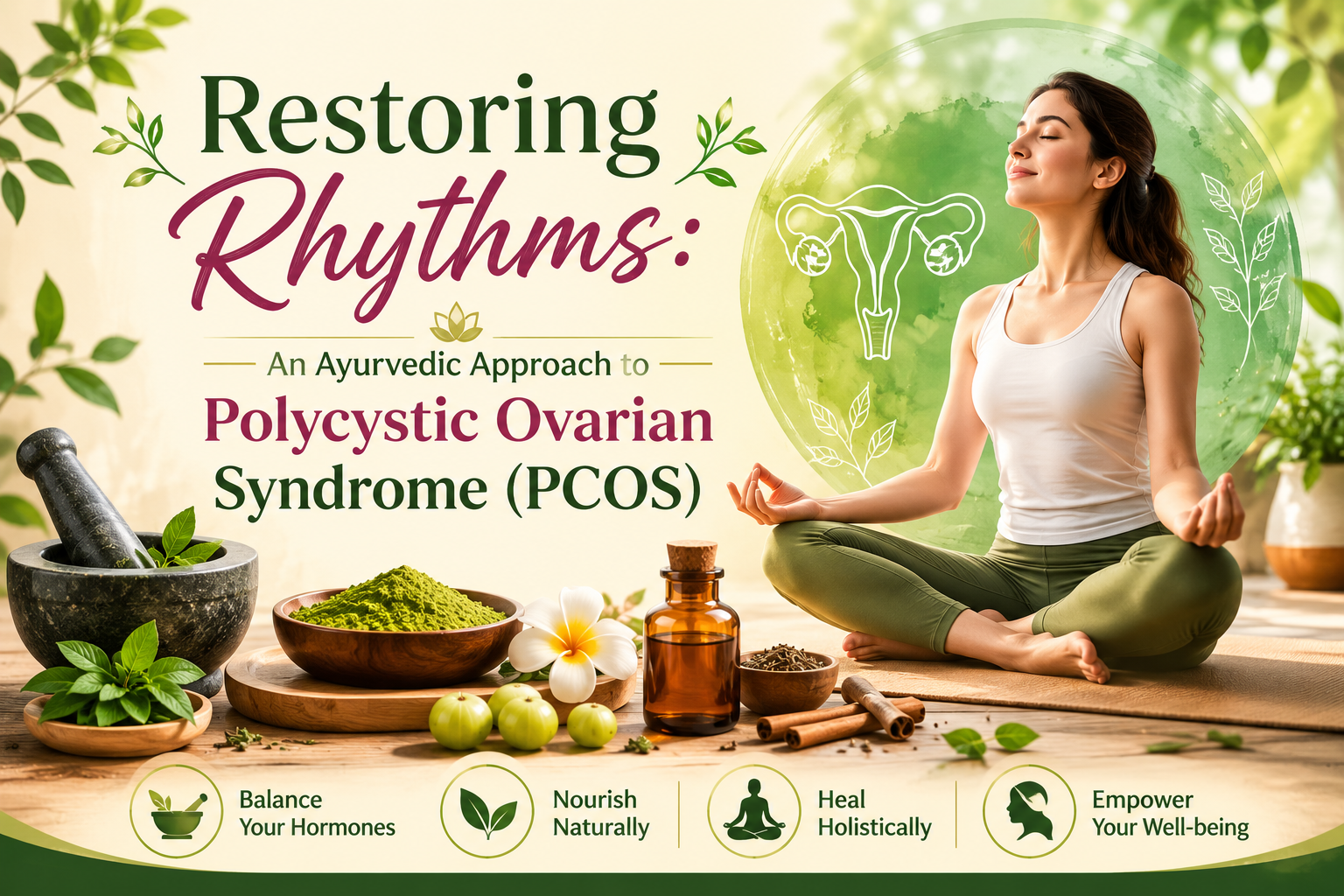
Polycystic Ovarian Syndrome (PCOS) is one of the most frequent endocrine disorders in modern reproductive health, affecting up to 20% of women in their reproductive years. In conventional medicine, it is generally treated symptomatically with birth control pills, insulin-sensitizing medicines or cosmetic treatments for acne and hair growth. But many women want a more comprehensive approach, one that addresses the root causes of systemic imbalances, instead of simply hiding the symptoms.
At Chacko’s Kerala Ayurveda, we have a different view of health. We serve the wider GTA, including Toronto and Mississauga. We treat chronic metabolic and reproductive disorders with old recognized procedures. Ayurveda takes you to the underlying physiological causes of PCOS and offers you a natural approach to hormonal harmony, regular periods and renewed fertility.
Ayurvedic View of PCOS
Traditionally, PCOS is diagnosed by combining irregular periods, high androgen levels (male hormones) and polycystic ovaries (fluid-filled follicles visible on an ultrasound).
In old Ayurvedic literature, there is no specific equivalent name for PCOS, but the symptoms are analogous to Aarthava Kshaya (deficiency or depletion of menstrual fluid) and disturbances of the subtle tissue channels of the female reproductive system (Artava Vaha Srotas).
According to Ayurveda, this illness is a systemic imbalance of the three bodily energies, with the primary focus being on Kapha and Vata.
- How Doshas Affect PCOS
Kapha Imbalance: Kapha is the principle of structure, fluid and growth. When Kapha is inflamed, often from a sedentary lifestyle, stress, or a diet rich in refined carbohydrates, it dampens the metabolic fire (Agni). This thick, sticky energy accumulates in the ovaries and causes the classic fluid-filled cysts or underdeveloped follicles.
Vata Imbalance Vata is the dosha of movement and nervous system. Apana Vata, the sub-dosha that controls downward movement of energy, such as during menstruation and ovulation. In case of any disturbance in Vata owing to stress, poor sleep or inconsistent routine, it impedes the correct release of the ovum, leading to irregular or absent periods.
Pitta Imbalance: Pitta takes care of metabolism and hormones. Adult acne, metabolic inflammation and male-pattern hair loss (hirsutism) indicate that the fiery Pitta dosha has also been vitiated in the blood (Rakta Dhatu).
- The Source of Ama (Toxins)
When sluggish Kapha dampens the metabolic fire (Agni), food is not digested entirely. This leads to Ama, which are metabolic waste products or toxins. This sticky substance enters the circulatory system, clogs the sensitive micro-channels of the body and immediately contributes to insulin resistance, making it hard for the cells to digest glucose efficiently.
Ayurvedic Treatment For PCOS Procedure
Chacko’s Kerala Ayurveda takes a multi-pronged, systemic and totally customized approach to PCOS. We are interested in the elimination of metabolic poisons, the regulation of digestion, and bringing back the inherent wisdom of the endocrine system.
Stage 1: Deep Internal Cleansing (Panchakarma)
Traditional Panchakarma (detoxification) therapies are highly advised to eliminate deeply buried Ama from the reproductive organs
- Snehapanam: Taking medicated, infused ghee for a number of days on a medicinal basis. This goes deep into tissues to free trapped poisons and to prepare the body for excretion.
- Virechana (Therapeutic Purgation): A regulated cleansing to remove excess Pitta from the liver, gallbladder and blood. It’s particularly efficient in lowering androgenic symptoms such as cystic acne and managing blood sugar.
- Basti (Medicated Enema Therapy):Basti is the gold standard for managing Apana Vata because the reproductive system is in the home seat of Vata (the lower belly). Detoxifies the intestines, regulates the neurological system and helps re-establish a normal, predictable menstruation pattern.
- Udvarthanam: A dry powder massage using herbs to increase metabolic rate, increase blood flow, break down fat underneath the skin and to treat weight gain due to insulin resistance.
PCOS Metabolic Diet Nutrient Boost
Diet change is a crucial component of our strategy because metabolic health and insulin management are key factors in overcoming PCOS. The aim is to pacify Kapha and calm Vata without increasing Pitta.
- Foods to Select: Whole foods and high fibre foods: Whole grains such as quinoa, millet, and barley help stabilize blood sugar levels.
- Cooked Vegetables:Warm Leafy greens, broccoli and root vegetables should be prepared with warming spices to help poor digestion.
- Daily meals with medicinal spices: Turmeric (natural anti-inflammatory), Cinnamon (helps with insulin sensitivity), Ginger & Fenugreek.
- Good fats: A bit of organic ghee or sesame oil to lubricate tissues and calm Vata.
- Foods to Avoid or Minimize:Refined sugars and processed carbs: White breads, pastries, sweet drinks – these raise the insulin and are a contributing factor to systemic kapha stagnation.
- Cold and raw foods:Excessive use of raw salads and ice-cold beverages reduces digestive fire (Agni) and creates additional pollutants.
- Heavy Dairy: Too much cheese, heavy creams and commercial yogurt might increase the thick, sticky properties of Kapha in the pelvis.
Herbal Allies for Hormonal Balance.
Ayurvedic pharmacology uses synergistic herbal combinations to gradually bring the body back into balance without any of the pharmaceutical side effects. Some of the important botanicals utilized for control of reproductive health are:
Shatavari (Asparagus racemosus): This is the greatest tonic for the female reproductive system. It nourishes the egg, stabilizes estrogen levels and promotes normal ovulation.
Kanchanar Guggulu is a classical multi-herbal formulation which is utilized for removal of deep-seated Kapha accumulations, the decrease of soft tissue swellings, and to help in the management of ovarian cysts.
Ashwagandha (Withania somnifera): An adaptogen that regulates the Hypothalamic-Pituitary-Adrenal (HPA) axis, lowering cortisol levels and correcting stress-induced hormonal imbalances.
Lifestyle Changes And Mindful Movement
Hormonal control is directly associated with your everyday routines (Dinacharya).
Sleep: Aim to be asleep by 10 pm since this is when the body goes into its natural nighttime detox cycle. Chronic sleep deprivation elevates stress hormones, which exacerbates insulin resistance.
Exercise moderately: Do not overdo exercises that aggravate Vata. Try vigorous jogging, swimming, or particular yoga poses like Paschimottanasana, Baddhakonasana and Bhujangasana to increase blood circulation in the pelvic area.
Stress Management: Alternate Nostril Breathing (Nadi Shodhan pranayama). Daily practice to help calm the nervous system and eliminate mental clutter.
Conclusion: Reclaiming Your Natural Balance
PCOS is a complex, multi-system disorder, but it does not have to dominate your life. By moving beyond symptomatic management and looking at the holistic interplay of digestion, metabolism, and energy movement, Ayurveda provides a sustainable pathway to true vitality.
At Chacko’s Kerala Ayurveda, we combine traditional ancestral knowledge with practical guidance to help you navigate your healing journey safely and effectively.
Ready to explore a natural path to hormonal harmony?
Visit our Clinic:Cooksville Area, Mississauga, ON
Learn More About Our Therapies:keralaayurveda.ca
Schedule a Personal Consultation:Connect with our experienced practitioners to receive an individualized assessment of your unique constitution and a tailored wellness roadmap.