Ayurveda, the ancient Indian “Science of Life,” takes a deep look at health and wellness that goes beyond just treating symptoms. Panchakarma, a comprehensive process of cleansing and rejuvenation, is at the heart of this traditional system. If you want to find authentic Ayurvedic treatments, the first step is to understand the depth of Panchakarma.
What is Panchakarma, really?
“Five actions” or “five treatments” is what the word “Panchakarma” means. It is a specific part of Ayurveda that focuses on deep systemic detoxification. Ayurveda says that our bodies accumulate “Ama” (toxins) due to a poor diet, environmental factors, and stress. When these toxins build up, they throw off the balance of the three Doshas—Vata, Pitta, and Kapha—which can make you tired, dull, or sick all the time.
Panchakarma isn’t just one thing; it’s a series of steps that work together to eliminate toxins from your tissues and restore your body to its natural state of balance.
The Three Parts of the Trip
There are three separate parts to a real Panchakarma experience:
Poorva Karma (Preparation): The body needs to be ready before deep cleansing can start. This includes Snehana (applying oil to the inside and outside of the body) and Swedana (herbal steam therapy). These steps help the body eliminate toxins trapped in deep tissues by moving them toward the digestive tract.
Pradhana Karma (The Five Main Actions): This is the main part of the detoxification process. A practitioner may suggest certain treatments based on a person’s constitution and needs. These treatments could be Vamana (therapeutic vomiting), Virechana (purgation), Basti (herbal enemas), Nasya (nasal administration of oil), or Raktamokshana (bloodletting).
Paschat Karma (Post-Treatment): The body is sensitive after the cleansing. This phase is all about slowly getting back to a normal diet and way of life, using certain herbs to get the digestive fire (Agni) going again.
What Ayurvedic Massage Does
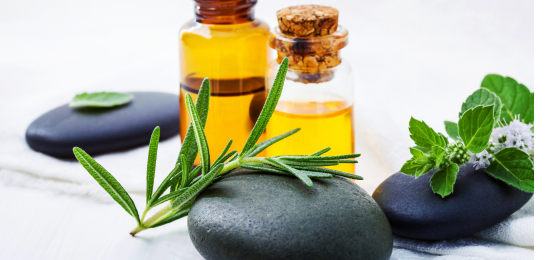
Ayurvedic massage, especially Abhyanga, is a key part of the Panchakarma preparation. Abhyanga differs from a regular spa massage because it uses warm, herb-infused oils made just for your Dosha. The rhythmic strokes help break down toxins and improve blood flow, while the medicated oils feed the nervous system. It is a very grounding experience that helps both the body and the mind get back on track.
Why Should You Think About Panchakarma?
This old detox has many benefits. Patients often say:
- Better mental clarity and focus.
- Better digestion and metabolism.
- Skin that is deeply rejuvenated and energy that is physical.
- A stronger immune system and less stress.
Chacko’s Kerala Ayurveda offers real wellness experiences.
A personalized approach rooted in tradition is needed to restore balance. We at Chacko’s Kerala Ayurveda are committed to sharing India’s ancient knowledge with you on your path to health. Our team provides a safe space for healing, whether you want to try Ayurveda treatments that change your life or a traditional Ayurvedic massage that helps you feel better. Visit www.keralaayurveda.ca to learn more about what we offer and take the first step toward a life free of toxins and balanced.